Compounded Anti-Aging Topicals
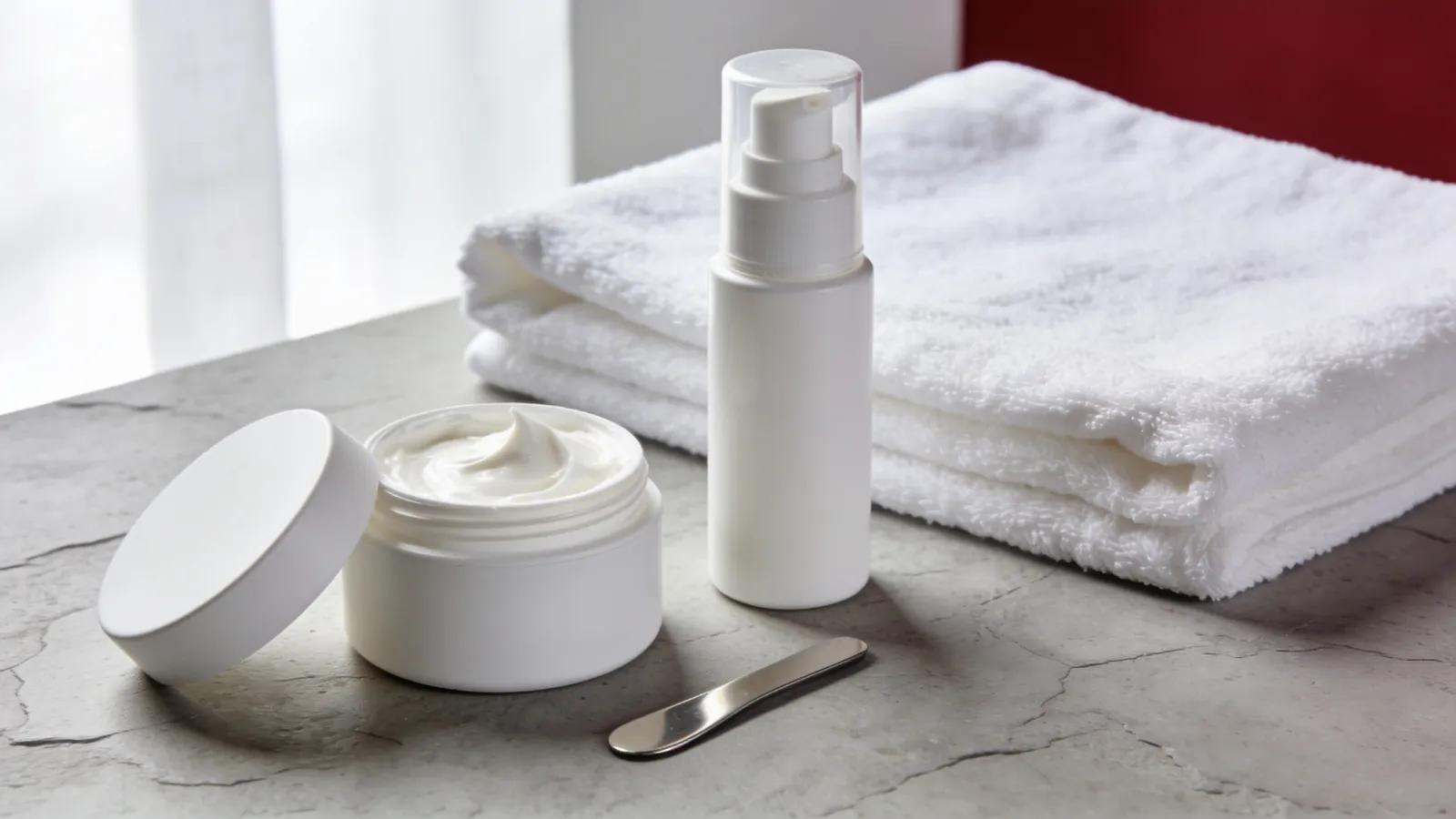
Topical preparations combining agents associated with epidermal turnover, antioxidant activity and skin barrier support.
FDA-approved landscape first
FDA-approved topical tretinoin products are indicated for defined dermatological uses. Where an approved product meets the clinical need, it is generally the appropriate first consideration. Status: FDA-Approved Product.
Actives and role
- Tretinoin: retinoid; epidermal turnover.
- Niacinamide: barrier support.
- Ascorbic acid: antioxidant.
- Estriol: not a component of any FDA-approved drug product. Its topical use in anti-aging preparations is supported by limited evidence. Status: Investigational or Limited Evidence.
Status: Compounded Option.
Dosage forms
Cream, gel, solution.
Safety
Retinoids are contraindicated in pregnancy. Irritation, photosensitivity and an adjustment period are expected with tretinoin. Estriol-containing topicals require specific counseling from the prescriber or pharmacist, including on use in pregnancy, breastfeeding and hormone-sensitive conditions.
Patients: Transfer a Prescription
Compounded preparations are not FDA approved. FDA does not review them for safety, effectiveness or quality before they are dispensed, and they are not equivalent to commercially available approved products. California requires a patient-specific prescription for a compounded preparation, and a pharmacy may not compound what is essentially a copy of a commercially available product unless the pharmacist documents a clinically significant difference for the individual patient or the product is in shortage. This page is general information, not medical advice.
References
- Tretinoin topical product labels, DailyMed, National Library of Medicine
- California Code of Regulations, Title 16, sections 1735 to 1735.15, nonsterile compounding (effective Oct. 1, 2025), California State Board of Pharmacy
Clinical review: Dor Keyvani, PharmD, Pharmacist-in-Charge, California pharmacist license RPH 75634. Clinically reviewed Oct. 20, 2026. Updated Nov. 10, 2026. See our Editorial Policy and Quality and Safety pages.